-
For the love of Zin
Benjamin Disraeli, the former British prime minister and novelist, was famously quoted as proclaiming: “The magic of first love is our ignorance that it can never end.”
But I must disagree with the late and esteemed Mr. Disraeli, particularly when it comes to wine. The first grape I ever had the pleasure of making into wine more than 40 years ago was zinfandel. And even though the wine-like result was so over-oaked that it tasted like toothpicks, I still love zinfandel to this day. And, by the way, the latest version of my home made zinfandel, made from Amador County grapes in 2018, was just bottled a few weeks ago and actually does taste like wine!
I consider zinfandel America’s wine even though it is genetically identical to an unpronounceable Croatian vine ( crljenak kastelanski) and the more widely known Italian primitivo grape. But the good old US of A is where the wine has achieved stature and a world-wide following. The vine was first planted in Sonoma County in the 1850’s and, according to the California Wine Institute, zinfandel is the third-leading grape variety planted in California with nearly 45,000 acres planted in the state.
But still, most novice wine drinkers think zinfandel is a white, slightly sweet wine best suited for quaffing at picnics. And there is a reason for this impression many of us have of the grape. When one particular winery could not find a market for his over-produced zinfandel in the 1970’s, he decided to use the excess grape production to make a wine in a slightly sweet rose’ style. The rest is history. The new wine was called: White Zanfandel and it became a sensation. To this day, White Zinfandel still retains a huge market share among American wine drinkers. And while I will occasionally chill a bottle of Beringer White Zin for porch sipping, red zinfandel is still among my favorite wines of all time.
I suppose my fondness for zinfandel stems from the versatility of the vine to produce wines that range in intensity from the aforementioned white zin to full-throttled, purple monsters. I also love the wine because it is so malleable and can complement such a wide range of dishes. And with the arrival of fall, my thoughts turn to richer textured wines like zinfandel and fuller-flavored edibles, including all manner of grilled meat dishes that just seem to go so well with the wine. So, when I cook for friends and family this time of year, the food is usually straightforward, down-home, meat and starch type meals such as grilled thick-cut pork chops, leg of lamb, baked lasagna or red beans and rice.
So what are the flavor profiles of zinfandel? Well, regardless of the intensity of the finished product, most zinfandel does share some general flavor characteristics such as dark berries, black cherries along with briary and peppery nuances. However, the easiest way to pick the right zin for dinner is to categorize the wine according to its weight and intensity of flavor. That way you can decide which style to use with the food you’ll be preparing. Below are some of my favorite zinfandels rated by intensity and weight, along with some matching food suggestions. Incidentally, these wines range in price from about $20 to no more than $50 a bottle.
Lighter-Bodied Wines: Peachy Canyon Incredible Red; Marietta Old Vines Red; Pedroncelli Mother Clone; Sobon Estate Old Vines; Ravenswood Lodi; Bogle; Try these wines with pizza, grilled hamburgers, Italian sausage or meatloaf.
Medium-Bodied Wines: Rancho Zabaco Heritage Vines; Sebastiani Sonoma; Seghesio Old Vines; Dry Creek Vineyards; Ridge Geyserville; Renwood Old Vines; Easton Amador County; and Rosenblum Paso Robles. Good with roasted pork tenderloin, grilled salmon or barbecued baby back ribs.
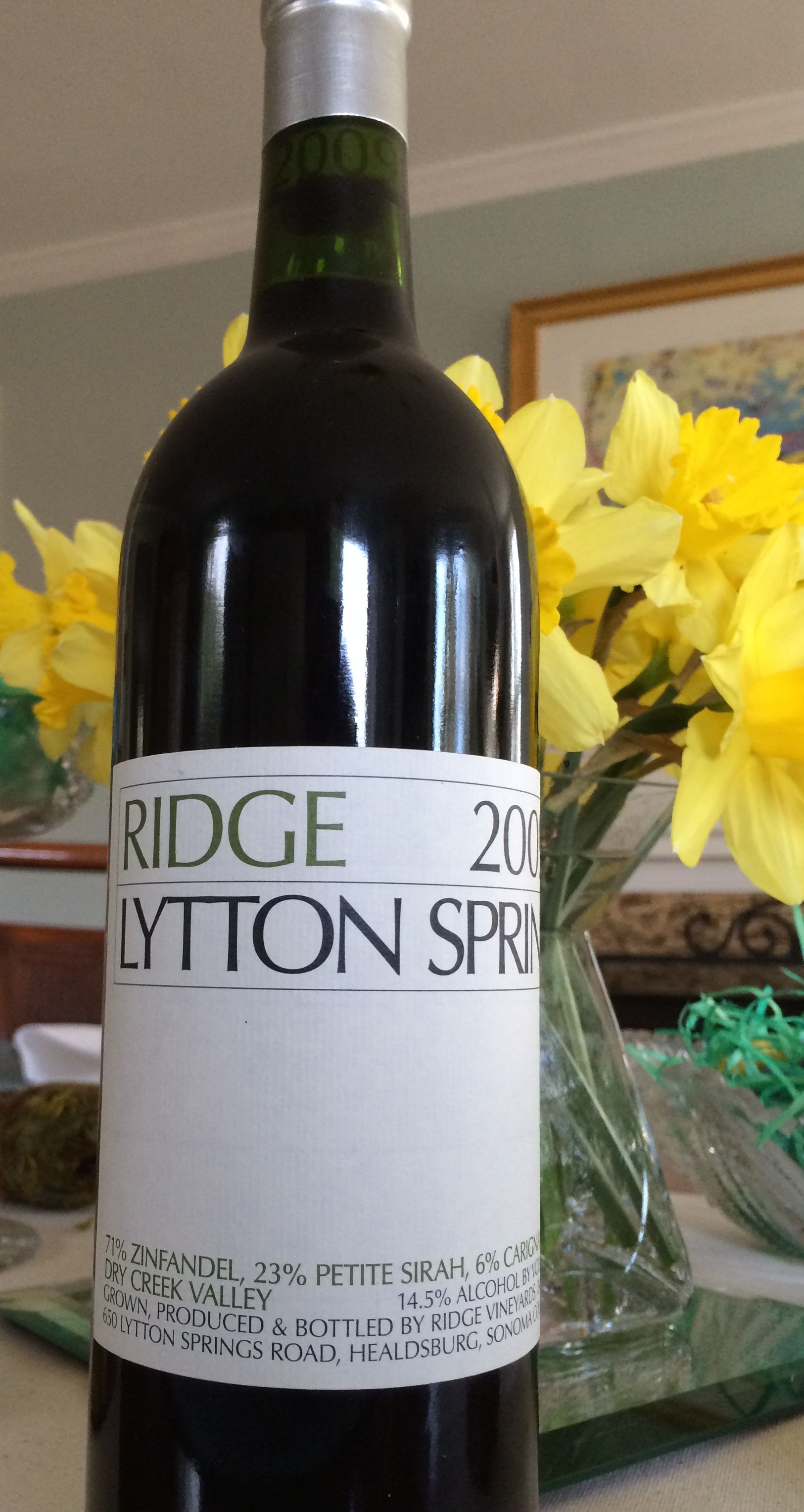
Full -Bodied Wines: Ridge Lytton Springs; Renwood Grandpere; Montevina Terre D’Oro; Chateau Montelena; Grgich-Hills; Turley Juvenile; Storybook Mountain Eastern Exposure; and Hartford Russian River Valley. Try these purple monsters with pasta in marinara sauce, hearty stews, grilled rack of lamb and marinated and stuffed flank steak.
John Brown is also an author and his novel, Augie’s War, is available online and at at bookstores.
-
A tasty and tasteful visit to Tucker County
Tucker County, West Virginia is a special place. That statement doesn’t qualify as an epiphany for any of you who have had the pleasure of spending time in that region of the Potomac Highlands. But in addition to experiencing the many and varied recreational options in this wild and magnificent place, there are also several tasty and tasteful creature enhancements, particularly in the towns of Davis and Thomas.
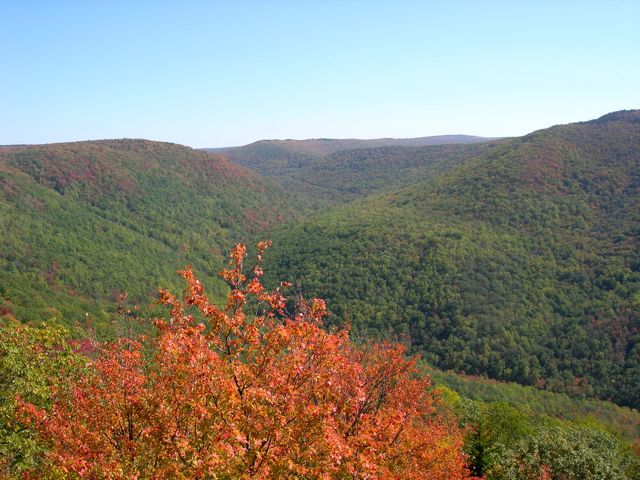
I’ve been a part-time resident of Tucker County for three decades, and I still enjoy a sense of happy anticipation during the three-hour trip from Charleston. When I arrive, I’m content to just sit on the deck and gaze at the multi-colored leaves of fall while puffy white clouds glide across a robin’s egg-colored sky.
But a person DOES need to eat and drink too!

First stop is in Davis for a glass of suds from a West Virginia Craft Brewery of The Year award winner-Stumptown Ales. Stumptown has a stable of tasty brews to be sure, but they’ve also created a friendly gathering place for both visitors and locals alike. And they’ll even let you bring your dinner in to pair with their brews. You might try a sandwich from the Farm Up Food Truck that parks near Stumptown several times a week.
Just up the street is one of the state’s best pizzerias – Sirianni’s Café. Sirianni’s also serves sandwiches and pasta along with the absolute best antipasti salad (get the white garlic dressing) anywhere. The wine list is small, but well thought out and there is an extensive selection of beer, including local draft from Stumptown or from the other local brewery- Mountain State.
One of the best breakfast and brunch restaurants in the entire county is Bright Morning Inn which doubles as a B & B. All the menu choices are exceptional, but the peach pancakes are beyond good. Then wander right across the street to the WV Highlands Artisans Gallery to view the works of local artists while you walk off those pancakes.
Just up the road is the Billy Motel. The owner bought a former “No-Tell” motel a few years back and completely upgraded the rooms, added a bar and lounge, and has just opened a tapas-like restaurant there. When I heard the bartender at the Billy tell a tipsy bar patron that the next bus to Mars would be leaving soon, I knew I was in the right place. Really though, if you’re looking for the perfect cocktail, great conversation and an eclectic vibe, you must visit the Billy Motel in Davis.
Three miles north on Rte. 32 is the town of Thomas which has re-created itself over the past decade into a hip, art-centric little village with galleries, a coffee shop and bar, antique stores and music venues. There is also Cottrill’s Opera House, built in 1911, that is being restored into a performing arts center. Next door is Thomas Yard, a business featuring a very good wine shop where you can also buy fresh flowers and small gifts. About a mile outside of town, you might also wish to visit the Buxton Landstreet Gallery where artwork, stained glass and artisan furniture are available for purchase.
I love wandering into and browsing at The Creature, Bloom, The Gradient, and the White Room Art Galleries all along the same block (on the lower street) in Thomas. A little further down the street, you can book a room at The Cooper House Bed and Cocktail lodging facility that is right next door to the Purple Fiddle. The Fiddle features live traditional music almost seven days a week.
Top off your visit to Thomas by slipping in to Tip Top Coffee where the baristas brew up seriously good java, and the bartenders create tasty specialty cocktails. Tip Top also bakes pastries, makes sandwiches and, on Friday evenings, serves up delicious hamburgers made from locally sourced beef. And the wines by the glass and bottle at Tip Top feature quality and value, and represent a broad cross-section of wine appellations from around the world.
And I haven’t even mentioned what’s available for you to experience in Canaan Valley and other communities of Tucker County like Parsons and St. George. That’s for another time.
So whether you’re a skier, mountain biker, art and music lover, gourmand, hiker or just someone who enjoys observing the wild side of Mother Nature, take a trip to the mountains of Tucker County. Oh, and if you stop by The Billy, ask when the next bus leaves for Mars.
John Brown is also an author and his novel, Augie’s War, is available online and at at bookstores.
-
The magic of Brunello Di Montalcino
If the wine world ever establishes a Hall of Fame, Brunello Di Montalcino will be a charter member! It would share center stage with the planet’s greatest wines such as Bordeaux, Burgundy, Napa Valley cabernet sauvignon and a few others considered to be among the best.
What makes the wine so special? Well first of all, just pronouncing the name can make you thirsty (brew-nell-oh dee mon-towel-chee-no). And that’s good because I can’t think of any better way to slake your thirst than by sipping the silky elegance that is Brunello Di Montalcino. And for me, silky is the word I always associate with the wine.
I know you’re probably thinking that “silky” is a feeling – a texture if you will – and not a taste. But the aroma that precedes the texture and the flavors that follow it are also exceptional too. I’ll get to those other sensory aspects later, but first here is some information on the grape that’s used to make Brunello, and the region where the wine is produced.
Sangiovese is the grape vinified to make the wine. It’s the same varietal and primary grape used to produce most of the reds in Tuscany, including Chianti. Sangiovese can also be a component of “Super Tuscans” which are blends of non-traditional Italian varietals such as cabernet, merlot and syrah. But the sangiovese grown around the small town of Montalcino is considered superior to wines made from the same grape in other parts Tuscany.
And according to the experts, it’s all about the terroir of the vineyards around Montalcino, especially the soil. Terroir (pronounced tare-wah) is defined as the combination of soil, climate and geographic location that determine the quality of a wine appellation. While the climate and the geographic location of vineyards in the Montalcino appellation are ideal for producing excellent Brunello, the varied soils of the region are given most of the credit for the exceptional quality of the wine.

On a visit to Brunello producer Castelgiocondo last month, their wine maker Filippo Manni took me to an area where several feet of exposed vineyard showed limestone, clay, schist, and volcanic soils stacked on top of each other. He said the complexity of the soils is the major reason for the superior quality of the sangiovese produced in the Montalcino region.
So what should you expect when you put that glass of Brunello to your lips for the first sip? The aroma of Brunello can be varied, but I usually get dark fruit, spice and sometimes leather. And like most other quality red wines, Brunello produced in a good to exceptional vintage will have two flavor profiles. The first, when the wine is under 10 years old, will have dried cheery or cranberry flavors along with fairly noticeable tannins and bright acidity. As the wine matures, the flavors get richer with caramel nuances to the fruit while the tannins and acid soften. And here’s where you’ll begin to feel the silkiness of the wine.
Castelgiocondo is one of several wineries owned by the renowned Italian wine family, Frescobaldi. After visiting the winery, cellars and vineyards of Castelgiocondo, my wife and I sat down for an elegant outdoor lunch with winemaker Manni. We tasted through the winery’s entire portfolio, including three Brunello’s, a Rosso di Montalcino (Carpo Al Sassi) and a merlot (Lamaione).
We enjoyed each of the wines, but the 1998 Castelgiocondo was everything I love about Brunello. The aroma was redolent of tea and leather and the flavor of dark cherries with nuances of caramel and herbs went on and on. Of course, the texture was pure silk.
Brunello is not inexpensive. Expect to pay anywhere from $50 to $150 a bottle. You might wish to start out by trying a bottle of Rosso Di Montalcino. Rosso, which is produced from young vines or wines that do not meet the strict standards of a winery, are usually priced between $25 and $50 a bottle. These “Baby Brunello’s” can be delicious wines too, and can give you a tasty hint of what to expect once you trade up.
While Brunello Di Montalcino is usually very good in just about any year, here are vintages that are rated among the best in the past two decades: 2001, 2004, 2006, 2007, 2010, 2012 and 2015.
Enjoy!
-
Italy – A destination for all generations
PUNTA ALA, ITALY – My wife and I had already visited the country where my family originated just a few generations back. Now we faced the challenge of a trip that would have to offer something for everyone: it was time to travel with the entire family, with a wide range of ages and interests.
I hoped our sons and daughter-in-law, along with grandkids, Ellis, 16; Palmer, 13; and Barrett, 11; would find Italy as magical as we did.
How could they not? It’s an ancient land where – over the last thousand years – culture, art and history have converged to create civilization, and where visitors can now walk, observe and taste this living, breathing encyclopedia of life.

However, I was forewarned by You Know Who that on this trip I would need to devote more time to walking and observing, and less time on the tasting components of Italian culture. And while I reluctantly conceded the point to my spouse, I also knew that my kids and grandkids had, thankfully, inherited my fondness for food and drink.
They know, as I do, that food gives us strength and that thirst is a terrible thing. So off we went.
Part of our strategy was to divide and conquer: while all three branches of the family arrived in Rome on the same day, each branch headed out in different directions. Son Bryan and his family would spend three days touring and exploring Rome while son Aaron went south to Naples and the Amalfi coast.
For our private getaway, Debbie and I decided to spend a couple of leisurely days at the beach. We had been looking for a coastal resort favored by Italians, and one that was within easy driving distance of Tuscany. It was our plan to meet there later and spend five days all together exploring the region and visiting the towns, castles, churches, vines and art in that storied part of Italy.
The Gallia Palace, a Relais & Chateaux resort hotel, was perfectly situated two-and-a-half hours north of Rome near the seaside port town of Punta Ala, along the Mediterranean coast in a region of Tuscany called Maremma.
This same area is home to vineyards that produce crisp white wines such as Vermentino, and superb red wines called “Super Tuscans.” These blended wines, made from grapes such as cabernet sauvignon, merlot, syrah and sangiovese, can rival the great reds of the world such as those produced in Bordeaux and Napa.
The Gallia is a small but very pretty property, set on a hillside in a spectacular natural setting. From our balcony, we could look down across the grounds to a stand of stately Stone Pine trees) that resemble umbrellas. And beyond the stone pines, just a kilometer away, was the sparkling blue Mediterranean with the Gallia’s private beach.
But the highlight of the resort for me is the superb restaurant back at the hotel. Some of the dishes are like art on a plate, almost too pretty to eat, and the wine list features selections from all the major Italian regions. In fact, one of the most delightful wines of our entire trip (and there were many) was the 2014 Col D’orcia Brunello Di Montalcino made just an hour from the Gallia resort.

While we were enjoying our beach getaway, Bryan and family spent their days touring the antiquities of Rome and Aaron visited and explored the stony beaches and steep hills of the Amalfi Coast.
Then it was time for all of us to meet in Tuscany.
My daughter-in-law, Ericka, used VRBO to locate a large country home near (delete:Siena in ) the small village of Sovicille [so-va-CHIL-ah], that served as our base. La Dimora di Teresa (residence of Teresa) features four bedrooms and four baths along with a fully equipped kitchen and a large great room with cable TV and internet. It is also completely air-conditioned, which is not common everywhere in Italy, especially in large homes.
The outdoor spaces include a long covered porch, a swimming pool, an outdoor fireplace and even a pizza oven. Naturally, on our first night together, we took full advantage of this particular amenity and arranged to have a local chef, (delete: Chef Giulia) make custom pizzas for us in the outdoor, wood-fired oven. Our hungry group (delete: of eight ) ate, and ordered, and ate some more. What a treat!
Each of our days in Tuscany was spent exploring a different town, historical site or museum.
In Florence we were led on a private tour of the Uffizi and the Academia Museums, viewing priceless Renaissance artworks such as The David, along with the paintings of Michelangelo, Botticelli and DaVinci among others. We also visited the old walled city of Siena, marveled at the towers of San Gimignano and watched artisans carve alabaster into bowls, grapes and vases in the hill top town of Volterra.
And even the most modest restaurants served us amazingly fresh and delicious meals. We dined at two small eateries within five minutes of La Dimora di Teresa that were exceptional.

La Compagnia featured exquisite, mouth-watering pasta choices, including the best ever cacio e pepe (cheese and pepper) and carbonara dishes I’ve ever eaten.
The traditional Bistecca alla Fiorentina (or beef steak of Florence) served at the other local establishment – Il Grillo Morro – is a giant, four-inch thick, bone-in rib eye that will melt in your moutWe ended our five-day tour of Tuscany with a visit to Il Borro, a relatively new winery owned by the Ferragamo family, more widely known for their famous namesake famous fashion and clothing company. The entire family toured the cellars, tasted the wines and had a very special lunch at Il Borro. You just knew I had to get a little more wine-time in, right?
When we departed our lovely Tuscan digs, Aaron headed to the airport and back to the U.S. while Bryan and family traveled just up the road to Lucca to attend an Elton John concert under the stars. They spent two more days exploring the canals of Venice before making their way to the airport and the long flight home.

We took the fast train to Rome and checked into the Palazzo Cinquecento Hotel in the center of the city. From this exceptional hotel, we were able to conveniently visit the most important Roman landmarks, as well as savor those last delicious bites of Cucina Italia before heading back to the mountains of home.
Photos from Top to Bottom:
1. Grandkids marvel at the frescos in the Vatican’s Sistine Chapel
2. Sommelier at Gallia Palace pours us Brunello Di Montalcino
3. Chef making us pizzas at our Tuscan Villa
4. Bryan, Ericka and children tour Venice in a gondola
-
Opening old wine: the perils and pleasures
A couple of weeks back, my long-suffering wife and yours truly celebrated a signature wedding anniversary that I decided to designate our “Penultimate 50th.” Actually, it was our 49th — but who’s counting?
For really seminal events – like our Penultimate 50th – I try to amp up the celebratory liquid several notches. So I wandered down to where I store a few special old bottles of wine to see if there might be one with a vintage date close to 1970 – the year of our wedding.
Lo and Behold! I found the perfect bottle of Bordeaux red wine – 1970 Chateau Ducru Beaucaillou (pronounced do-crew bow- kii- you).

Sounds great, right? Well maybe not. Because when you’re dealing with wine older than most of the people currently occupying Mother Earth, a lot can go wrong. So here are a few tips you might find helpful in case you’re considering purchasing an old bottle of wine, or opening one you’ve had in your cellar for a while.
First of all, you’ll need to consider the vintage date and the reputation of the winery. I knew that 1970 was considered a very good vintage in Bordeaux. Also, Ducru has a historically excellent reputation for quality. And, I was very pleasantly surprised to learn that esteemed wine critic, Robert Parker, rated it 92 on a 100-point scale. So far, so good.
But what about other considerations such as how and where the wine was stored for all those many years. Well, I had purchased the wine from a state ABCC store in the early 1980’s, and I had stored it in a cellar where the temperature and humidity were fairly consistent. In this instance, the temperature and humidity did not vary more than 10 degrees from summer to winter. So I felt pretty good about this aspect of the evaluation.
But how about the wine itself? How could I be comfortable that the wine would still be palatable after almost five decades? One positive indication that this particular bottle might still be good was that it had not “ullaged” much over time. Ullage is a term wine experts use to describe the amount of wine in the bottle that has been lost over time due to leakage or evaporation. Some amount of ullage is expected in older wines. But if the wine level has dropped down below the shoulder of the bottle, the air that has replaced the liquid could cause the wine to oxidize- and that’s not good.
And while the level of wine in my bottle had ullaged somewhat – about one-half inch – I felt pretty good about this component of the evaluation process. So now all that remained was to open that baby up and give it a good sniff and sip- right?
Not so fast my friends! There was still the issue of opening the bottle and dealing with the real likelihood that the cork would disintegrate during removal. The only way I’ve ever been able to successfully remove the cork in an old bottle of wine is by using a two-prong metal contraption called an Ah-So. To use the Ah So, you must insert the prongs on either side of the cork and rock them carefully down as far as they will go in the bottle. Then you gently twist and slowly pull the cork out.
But I didn’t have my Ah So with me at the time and I had to rely on a traditional waiter’s corkscrew to open the bottle. Unfortunately, most of the cork fell into the wine. But all was not lost. I used a wine funnel with a metal screen (that I had purchased online) to pour that old elixir through and into a crystal decanter. Ah…the moment of truth had arrived!
So I carefully poured the wine into our glasses. Then I sniffed. The aroma of leather, tea and damp earth filled the glass. The color was a kind of burnt cranberry with just a slight tint of orange around the edges. I swirled the wine and let it sit for a full five minutes before taking a sip. On the palate, the first sensation was of sour cherries, then cola and then tea. The wine was also silky, and over a period of one hour, both the aroma and the flavors became more complex and refined. To say the least, the bottle exceeded our expectations and we were both very pleased.
I’m saving one more bottle of 1970 Bordeaux for the half-century celebration next year. I can only hope that the owner of the wine ages as gracefully as the wine we’ll be drinking. Cheers!
-
Memorial Holiday: Appreciation, Recognition, Celebration
On Monday, we will observe Memorial Day to honor the sacrifice of those Americans who have paid the ultimate price so that we might be able to enjoy this holiday with our friends and families. So I hope you’ll join me in recognizing and appreciating this solemn occasion.
And since this weekend does mark the unofficial start of the summer season, I’m going to recommend a few tasty choices for your picnic menus, as well as some deliciously compatible wines to pair with them.
The dishes I’m suggesting below have all been previously prepared on my trusty old Weber Performer charcoal grill. There just aren’t many primary food sources (I’m talking meat, fish and vegetables here} that won’t benefit from charcoal or even gas grilling. Okay, so let’s begin with some simple, but delicious picnic options.
Hot dogs, as well as Italian sausages, Kielbasa, Chorizo and Bratwurst are especially tasty when grilled, and then served with simple garnishments like relishes, onions and condiments. And try splitting the wiener or sausage down the middle to flatten it out on the grill. You’ll expose more meat to the heat, and that’s a deliciously good thing.
Two types of wine go particularly well with these bun-encased tube steaks: Rose’ and light to medium bodied reds like Rioja, grenache, Beaujolais and/or Cotes du Rhone. These are excellent picnic wines, and should be served slightly chilled to provide a refreshing and thirst quenching counterpoint to the spicy dogs or sausages.
There are few seafood dishes that benefit more from the grill than a filet of salmon. Since salmon loves sweet and heat, I’ll rub my fish with chili powder, salt, black pepper, cayenne and brown sugar, and then grill it over a hot fire for about four minutes per side. My favorite vinous accompaniments to grilled or smoked salmon are pinot noir or cabernet franc.
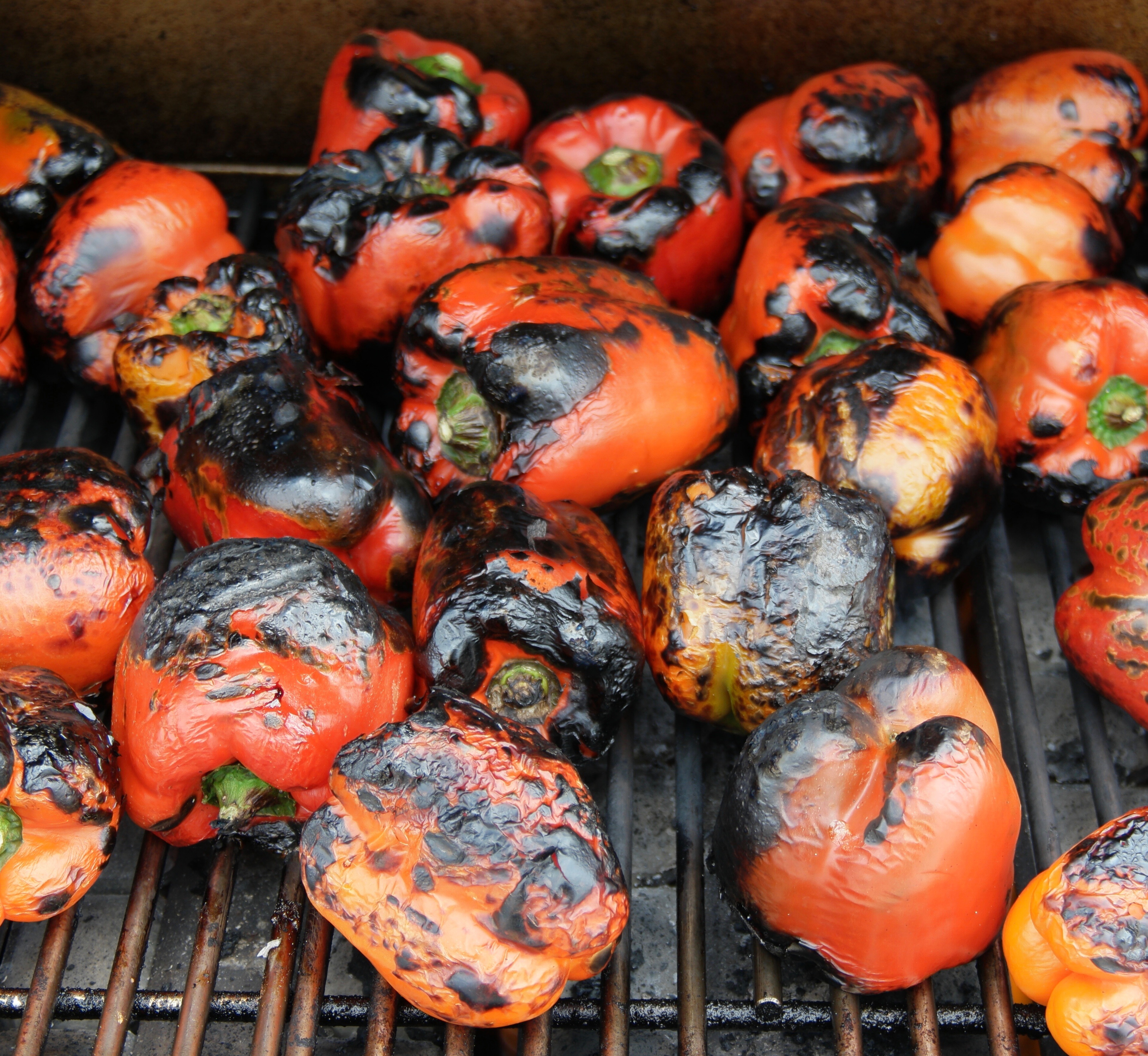
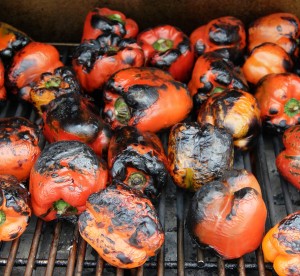
Are you a vegetarian? Then try this: In a bowl, squirt a little olive oil and red wine vinegar, along with salt pepper and garlic powder, onto your choice of sliced vegetables. Asparagus, tomatoes, sweet bell peppers, spicy poblanos or jalapenos, Vidalia onions, green beans or even corn do especially well on the grill. Then pair them with crisp and refreshing, chilled white wines such as sauvignon blanc from New Zealand, arneis and verdicchio from Italy or albarino and verdejo from Spain.
Barbecue baby back ribs are a picnic staple at Chez Brown. To each side of the rack of ribs, I’ll apply a dry rub consisting of one tablespoon each of cumin, chili powder, kosher salt, coarsely ground black pepper, brown sugar, smoked paprika and cayenne pepper (optional). And, if time permits, let the ribs sit in the refrigerator overnight or at least for a few hours before grilling.
If you’re using charcoal, place the coals to either side of the cooking grate and grill the ribs indirectly at temperatures ranging between 250 and 300 degrees Fahrenheit for about three hours. You should be able to control the cooking temperature by adjusting the vents on the grill. If you’re using a gas grill, just cook the ribs indirectly. For those of you wishing to add a sauce to the ribs, you’ll want to slather the glaze onto both sides of the meat, turning the racks several times during the last 15 minutes before serving. My go-to wine choices for baby back ribs are medium to full bodied reds such as zinfandel, syrah, sangiovese or merlot.
So have a great holiday weekend, but also take a few moments to ponder the real and somber significance of Memorial Day.